
buy double glazed units
Prodej motýlových ventilů Klíčový prvek v průmyslových aplikacích Motýlové ventily jsou nezbytnou součástí mnoha průmyslových systémů, a jejich poptávka na trhu stále roste. Tyto ventily se vyznačují jednoduchou konstrukcí, efektivním ovládáním a spolehlivým výkonem, což je činí ideální volbou pro širokou škálu aplikací. Pokud hledáte motýlové ventily na prodej, zde je několik důvodů, proč byste měli zvážit jejich využití. Prodej motýlových ventilů Klíčový prvek v průmyslových aplikacích Dalším významným přínosem motýlových ventilů je jejich kompaktní design. Na rozdíl od jiných typů ventilů, motýlové ventily zabírají méně místa a jsou lehčí, což usnadňuje jejich instalaci a údržbu. To je zvláště důležité ve stísněných prostorech, kde je každé úsporné řešení vítáno. butterfly valve for sale Motýlové ventily se také vyznačují širokým spektrem použití. Oblasti, kde se často využívají, zahrnují vodohospodářství, chemický průmysl, potravinářství a energetiku. Jsou schopny zvládat různé média, včetně plynných a kapalných, a jejich variabilita v konstrukčních materiálech (např. nerezová ocel, plast) zajišťuje, že mohou vyhovět specifickým požadavkům na odolnost a chemickou inertnost. Při výběru motýlového ventilu na prodej je důležité zvážit také kvalitu a certifikace výrobků. Renomovaní dodavatelé nabízejí ventily s certifikáty, které zaručují jejich spolehlivost a bezpečnost při použití. Důležité je také porovnat ceny a služby, které jednotliví dodavatelé poskytují, včetně možností záruky a po-pokročilého servisu. Na závěr, motýlové ventily představují vynikající řešení pro řízení průtoku v mnoha průmyslových aplikacích. Pokud zvažujete jejich koupi, je důležité důkladně prostudovat nabídky na trhu, abyste našli ten správný produkt, který splní vaše požadavky. S rostoucí poptávkou po kvalitních řešeních v oblasti řízení toku je investice do motýlových ventilů rozumným krokem, který může přinést značné výhody.
about
buy double glazed units
Understanding Level Suppliers in Supply Chain Management In today’s globalized economy, the concept of suppliers plays a crucial role in the success and efficiency of any business. Among the various categories of suppliers, level suppliers are particularly significant, as they represent different tiers in the supply chain. Understanding level suppliers, their roles, and how they impact businesses is essential for anyone involved in supply chain management. What are Level Suppliers? Level suppliers are categorized based on their proximity to the manufacturer or end-user in the supply chain. They are often classified into three levels 1. First-Tier Suppliers These are direct suppliers who provide materials or components to manufacturers. For instance, if a car manufacturer sources tires directly from a tire manufacturer, the tire supplier is considered a first-tier supplier. 2. Second-Tier Suppliers These suppliers provide products or materials to first-tier suppliers. Using the car manufacturing example, if the tire manufacturer sources rubber from a rubber processor, that rubber processor is a second-tier supplier. 3. Third-Tier Suppliers Often further removed from the end manufacturer, these suppliers provide raw materials or components to second-tier suppliers. In our example, if the rubber processor sources natural rubber from plantations, then those plantations constitute third-tier suppliers. This tiered system helps businesses manage their relationships with suppliers more effectively, allowing them to understand the complexities of their supply chains and the interconnections between different supplier levels. Importance of Level Suppliers 1. Cost Management By identifying and managing levels of suppliers, businesses can better control costs. First-tier suppliers may charge more for their goods, but they often provide higher quality or more specialized products. By examining the entire supply chain, companies can find ways to reduce costs without sacrificing quality. level supplier 2. Quality Assurance The level of a supplier often directly impacts the quality of the finished product. Manufacturers must ensure that not only first-tier suppliers meet quality standards but also that second- and third-tier suppliers do as well. This can be achieved through supplier audits and assessments, ensuring that quality is maintained throughout the supply chain. 3. Risk Management Understanding supplier levels aids in risk management. Disruptions can occur at any level of the supply chain, so being aware of the entire network of suppliers helps businesses prepare for potential issues. For example, if a natural disaster impacts third-tier suppliers, it may affect first-tier suppliers, and consequently, the manufacturer. Being aware of these levels allows companies to diversify their supplier base, reducing dependency on single suppliers and mitigating risk. 4. Improving Collaboration Effective collaboration with suppliers at all levels can lead to innovation and improved processes. By fostering strong relationships with first, second, and third-tier suppliers, companies can encourage new ideas and solutions, leading to enhanced products and services. 5. Sustainability As sustainability becomes increasingly important in today’s market, companies must consider the practices of their suppliers at all levels. Understanding where materials come from allows firms to ensure they are sourcing sustainably, thereby improving their overall environmental impact. Challenges in Managing Level Suppliers While the benefits of managing level suppliers are numerous, challenges do exist. Communication can become complex as the number of supplier tiers increases, and ensuring compliance with standards at all levels can be difficult. Additionally, businesses often struggle with transparency in their supply chains, making it hard to track the origins of materials and the practices of all suppliers involved. Moreover, geopolitical issues, trade policies, and fluctuating market conditions can further complicate supplier relationships. Adopting technologies such as blockchain can help improve transparency and traceability in the supply chain, but these innovations also require investment and training. Conclusion In conclusion, understanding level suppliers is vital for creating an efficient and resilient supply chain. By categorizing suppliers, businesses can better manage costs, quality, risks, and sustainability practices. While challenges exist, the benefits of effectively managing level suppliers far outweigh the potential drawbacks. As the business landscape continues to evolve, organizations that prioritize and streamline their relationships with suppliers at all levels will be better positioned to thrive in an increasingly competitive environment.
-

High quality industrial productsagement

High quality industrial products
View Details -

Meet the diverse needs of customers

Meet the diverse needs of customers
View Details -

Strict quality control

Strict quality control
View Details -

Top raw materials

Top raw materials
View Details -

Trusted supplier

Trusted supplier
View Details
Our application


news and information
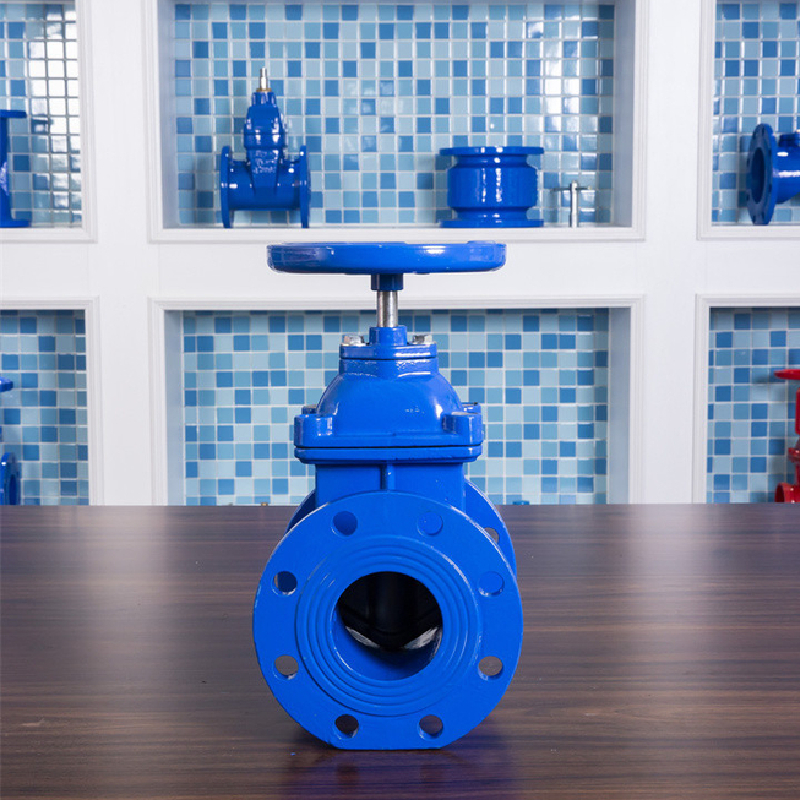
Válvula de retenção da mangueira de água
Válvula de Retenção para Mangueira de Água Uma Solução Eficiente para o Controle de Fluxo As manguei
Valve Wholesale Quality Products & Competitive Prices
Valve wholesale is an integral part of numerous industries ranging from oil and gas to pharmaceutica

Valve Manufacturing Process and Innovative Techniques for Enhanced Performance
The Evolution and Importance of Valve Factories in Modern Industry Valve factories play a crucial ro
 English